Brisk Font: A Retro Revival with Art Deco Flair
In the world of typography, fonts are more than just a means of communication—they are a reflection of style, culture, and creativity. One such font that has captured the attention of designers and typographers alike is Brisk. This unique typeface draws inspiration from the iconic art deco movement, blending retro charm with modern versatility. With four distinct styles to choose from, Brisk offers a powerful tool for customization and design, making it a valuable asset in both digital and print media.
What is Brisk Font?
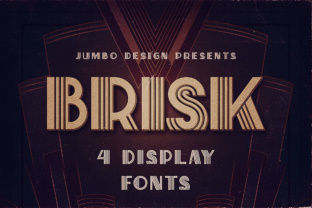
Brisk is a font family that embodies the essence of the art deco era, which flourished during the 1920s and 1930s. Known for its geometric shapes, bold lines, and luxurious aesthetic, art deco has left a lasting impact on architecture, fashion, and graphic design. Brisk pays homage to this movement by incorporating similar visual elements into its design, resulting in a font that feels both nostalgic and contemporary.
The name "Brisk" itself suggests energy and movement—qualities that align with the dynamic nature of art deco. Each letterform in the Brisk font is crafted with precision, featuring sharp angles, symmetrical curves, and a sense of rhythm that echoes the style's signature motifs.
Understanding the Four Styles of Brisk
One of the standout features of the Brisk font is its four different styles, which allow users to tailor their designs to suit various contexts and aesthetics. These styles include:
- Brisk Regular: The base style of the font, offering a clean and balanced look that is ideal for body text, headings, and general use.
- Brisk Bold: A heavier variant that adds emphasis and visual weight, perfect for titles, logos, and headlines where impact is key.
- Brisk Italic: This style introduces a slanted form, adding a touch of elegance and sophistication. It is often used for captions, quotes, or to create contrast within a design.
- Brisk Outline: A unique option that features an outlined version of the font, allowing for creative applications such as signage, illustrations, and layered designs.
These variations make Brisk a flexible choice for designers looking to maintain consistency while achieving visual diversity across their projects.
The Significance of Art Deco in Modern Design
While art deco may seem like a relic of the past, its influence continues to shape contemporary design. The principles of art deco—such as symmetry, ornamentation, and geometric abstraction—are still widely used in fields ranging from interior design to web development. By drawing from this rich heritage, the Brisk font bridges the gap between historical aesthetics and modern functionality.
Designers often turn to art deco-inspired fonts when they want to evoke a sense of luxury, nostalgia, or sophistication. Whether it's for branding a high-end product, creating a vintage-themed website, or designing a poster for a retro event, Brisk provides a versatile solution that aligns with these goals.
Practical Applications of Brisk in Different Fields
The adaptability of Brisk makes it suitable for a wide range of applications. Here are a few examples of how this font can be utilized in various contexts:
- Graphic Design: Brisk is ideal for creating eye-catching posters, advertisements, and packaging designs. Its bold and stylized appearance helps draw attention and convey a strong visual message.
- Web Development: When used in web design, Brisk can add a unique character to websites, especially those with a retro or artistic theme. It works well for headings, buttons, and other UI elements that require a distinctive look.
- Brand Identity: Businesses looking to establish a strong brand presence can benefit from using Brisk in their logos, marketing materials, and promotional content. The font’s retro flair can help differentiate a brand in a competitive market.
- Print Media: From magazine layouts to book covers, Brisk offers a stylish option for print projects. Its clarity and readability ensure that the font remains effective even in smaller sizes.
By integrating Brisk into these areas, designers and businesses can tap into the timeless appeal of art deco while maintaining a modern edge.
Why Choose Brisk Over Other Fonts?
With countless fonts available today, what sets Brisk apart? One of the main reasons is its unique blend of retro and modern characteristics. Unlike many fonts that either lean too heavily into nostalgia or adopt a purely minimalist approach, Brisk strikes a balance that appeals to a broad audience.
Additionally, the availability of four distinct styles ensures that users have the flexibility to match the font to their specific needs. This level of customization is particularly valuable in professional settings where consistency and variety are both important.
Another advantage of Brisk is its readability. While it retains the ornate qualities of art deco, the font is designed to remain legible in various formats and sizes. This makes it a practical choice for both digital and print media, where clarity is essential.
Common Misconceptions About Art Deco-Inspired Fonts
Despite their popularity, art deco-inspired fonts are sometimes misunderstood. Some people believe that these fonts are only suitable for vintage or retro themes, limiting their use to niche markets. However, this is not the case. Fonts like Brisk can be adapted to a wide range of styles and contexts, making them versatile tools for any designer.
Another common misconception is that art deco fonts are difficult to read. While some may have intricate details, Brisk is carefully designed to maintain legibility without sacrificing style. This makes it a practical choice for both casual and professional use.
Furthermore, there is a belief that using such fonts might make a design look outdated. However, when used thoughtfully, art deco-inspired fonts can add a fresh and sophisticated touch to modern designs, proving that style and innovation can coexist.
Conclusion
In a world where typography plays a crucial role in communication and aesthetics, the Brisk font stands out as a powerful and versatile option. Inspired by the art deco movement, it combines the elegance of the past with the functionality of the present. With four distinct styles, it offers a range of possibilities for designers, businesses, and creatives looking to make a statement.
Whether you're working on a branding project, a digital layout, or a print publication, Brisk provides a unique way to express your vision. Its ability to blend retro charm with modern design makes it a valuable addition to any typographic toolkit. By understanding the significance of art deco and the practical applications of Brisk, you can unlock new creative possibilities and elevate your designs to the next level.