HighSky: A Versatile Display Typeface for Modern Design
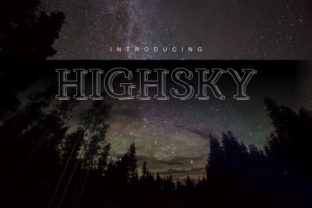
HighSky is a visually cursive-style display typeface that offers a unique blend of elegance and simplicity. Designed with mild smooth corners and simplified letter endings, it provides a clean yet expressive look that can enhance a wide range of design projects. Its subtle shadows are incorporated in a way that adds depth without overwhelming the overall aesthetic, making it an attractive choice for designers seeking a balance between style and readability.
One of the standout features of HighSky is its versatility. It can be combined with many other font families, allowing designers to create cohesive and visually appealing layouts. This flexibility makes it a valuable addition to any typographic toolkit, especially when working on projects that require a mix of different typefaces.
Why Consider HighSky?
Designers and typographers might find HighSky appealing for several reasons. Its cursive style gives it a sense of movement and fluidity, which can be particularly effective in branding, editorial design, or web typography. The mild smooth corners ensure that the typeface remains legible even at smaller sizes, making it suitable for both headings and body text in certain contexts.
The inclusion of subtle shadows adds a layer of visual interest, helping to distinguish the typeface from more traditional cursive fonts. This feature can be especially useful when creating contrast or emphasis within a design. However, it's important to note that the effectiveness of these shadows may depend on the specific application and background color used.
Benefits and Considerations
HighSky offers several benefits that make it a compelling choice for various design scenarios. Its clean lines and balanced proportions contribute to a modern and professional appearance, which can be ideal for corporate branding, editorial work, or digital interfaces. Additionally, its compatibility with other font families allows for greater creative freedom, enabling designers to experiment with different combinations to achieve the desired visual impact.
However, there are also considerations to keep in mind. While HighSky is designed to be readable, its cursive nature may not be the best fit for long blocks of text. In such cases, a more traditional serif or sans-serif font might be more appropriate. Furthermore, the subtle shadows that enhance its appearance could become distracting if overused or placed against complex backgrounds.
Situations Where HighSky Excels
HighSky is particularly well-suited for projects that require a touch of sophistication and visual appeal. It can be an excellent choice for headlines, logos, or promotional materials where a distinctive and memorable typeface is needed. Its ability to pair well with other fonts also makes it a good option for multi-font layouts, such as magazine spreads or website headers.
In digital design, HighSky can add a sense of personality to user interfaces, especially when used in conjunction with more neutral typefaces. It can help create a visually engaging experience without compromising readability. For example, it might be used for call-to-action buttons, navigation menus, or section titles to draw attention and guide user interaction.
When Alternatives Might Be Better
While HighSky has many strengths, there are situations where alternative typefaces might be more appropriate. For instance, if the primary goal is maximum legibility, a simpler sans-serif or serif font could be a better choice. These fonts are often more effective for body text, especially in print or low-resolution environments.
Additionally, designers who prefer a more traditional or formal look might find that HighSky does not align with their aesthetic preferences. In such cases, fonts with more pronounced serifs or a more structured design could offer a more suitable alternative. It's also worth considering the target audience—some audiences may respond more positively to a classic typeface than a modern cursive style.
Practical Decision-Making Insights
When deciding whether to use HighSky, it's essential to consider the specific needs of the project. Ask yourself questions such as: What is the primary purpose of the text? Will it be used in a short or long format? What kind of visual identity is being created? These questions can help determine whether HighSky is the right fit or if another typeface would be more effective.
Testing HighSky in different contexts is also advisable. Experimenting with various font pairings, sizes, and backgrounds can reveal how the typeface performs in real-world applications. This process can help identify potential issues and highlight the best ways to leverage its strengths.
Ultimately, HighSky is a versatile and attractive display typeface that can add a unique touch to a wide range of design projects. Its combination of cursive style, smooth corners, and subtle shadows makes it a compelling choice for designers looking to enhance their visual communication. However, like any tool, its effectiveness depends on how it is used and the specific requirements of the project at hand.