Neon Vortex: A Modern Font for Futuristic Design
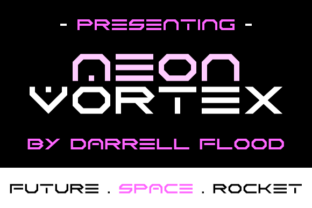
Neon Vortex is a bold, angular font that stands out with its unique visual identity. Designed for modern aesthetics, it blends sharp lines and dynamic shapes to create a striking impression. This font is ideal for projects that require a sense of innovation, energy, and forward-thinking design. Whether you're working on digital media, branding, or creative content, Neon Vortex offers a distinct style that can elevate your work.
Understanding the Role of Neon Vortex in Design Workflows
Incorporating Neon Vortex into your design process requires understanding where it fits best. It is not a one-size-fits-all solution, but rather a tool that complements specific goals and contexts. For instance, when designing for sci-fi themes, gaming interfaces, or tech-related branding, Neon Vortex can provide a visual language that aligns with futuristic concepts. Its angular structure makes it suitable for headlines, logos, and other prominent text elements where impact is key.
Before starting a project, consider the tone and message you want to convey. Neon Vortex works well when paired with clean, minimalistic designs to avoid overwhelming the viewer. It can also serve as a focal point in a larger typographic hierarchy, drawing attention to key information without disrupting readability.
Using Neon Vortex in Different Stages of a Project
The application of Neon Vortex varies depending on the stage of your project. During the planning phase, it can help visualize how text will appear in the final design. When sketching concepts or creating mockups, using this font can give a clearer sense of the visual direction. It’s especially useful for designers who are experimenting with new styles or looking to break away from traditional typography.
During execution, Neon Vortex can be integrated into layouts, banners, or UI elements. Its geometric structure ensures consistency across different platforms, making it easier to maintain a cohesive look. When used in web design, for example, it can enhance the user experience by providing a visually engaging interface that supports the overall theme.
After completion, Neon Vortex can play a role in quality control. Reviewing the final output with this font helps ensure that it meets the intended aesthetic and functional goals. It also allows for easy adjustments if the font doesn’t align with the broader design strategy.
Integration with Other Tools and Resources
Neon Vortex works best when combined with other design tools and resources. In graphic design software like Adobe Illustrator or Figma, it can be used alongside vector graphics to create dynamic compositions. Pairing it with complementary fonts—such as a clean sans-serif for body text—can balance the angularity of Neon Vortex while maintaining readability.
For web developers, Neon Vortex can be implemented using CSS. Ensuring compatibility across browsers and devices is essential. Testing the font on different screen sizes and resolutions helps maintain its visual integrity. Additionally, using web-safe alternatives or fallback fonts can prevent display issues in environments where Neon Vortex may not load properly.
When working with teams, sharing font files and style guides ensures everyone uses Neon Vortex consistently. This is particularly important in collaborative projects where multiple designers contribute to the same visual identity. Clear documentation about when and how to use the font helps maintain quality and efficiency throughout the workflow.
Practical Implementation Tips
To get the most out of Neon Vortex, start by defining the purpose of the text it will be used for. Is it a headline, a logo, or part of a larger layout? Understanding the context helps determine the appropriate size, weight, and spacing. For example, using a larger size for headlines ensures visibility, while adjusting line height improves legibility in longer blocks of text.
Consider the background and color scheme when applying Neon Vortex. High-contrast combinations, such as dark backgrounds with bright neon colors, can make the font stand out effectively. However, overly contrasting colors may strain the eyes, so finding a balance is crucial. Experimenting with different palettes during the design phase can lead to more polished results.
Testing the font in real-world scenarios is another important step. Previewing it on various devices, including mobile phones and tablets, ensures it remains effective across different platforms. If the font appears too small or unclear on certain screens, adjusting its size or weight can improve usability.
Long-Term Use and Maintenance
Neon Vortex is a versatile choice for long-term projects, but its effectiveness depends on regular maintenance. As design trends evolve, revisiting how the font is used can help keep the visual identity fresh and relevant. Updating layouts, reworking color schemes, or exploring new typographic combinations can extend the life of Neon Vortex in your workflow.
Keeping track of how Neon Vortex performs in different applications is also beneficial. Documenting its usage in past projects provides insights into what worked well and what could be improved. This knowledge can guide future decisions and streamline the integration process.
Finally, staying informed about updates or variations of Neon Vortex can open up new possibilities. Font foundries often release new weights, styles, or versions that may offer additional flexibility. Subscribing to design newsletters or following relevant communities can help you stay ahead of these developments.