Childwood: A Font for Kids and Beyond
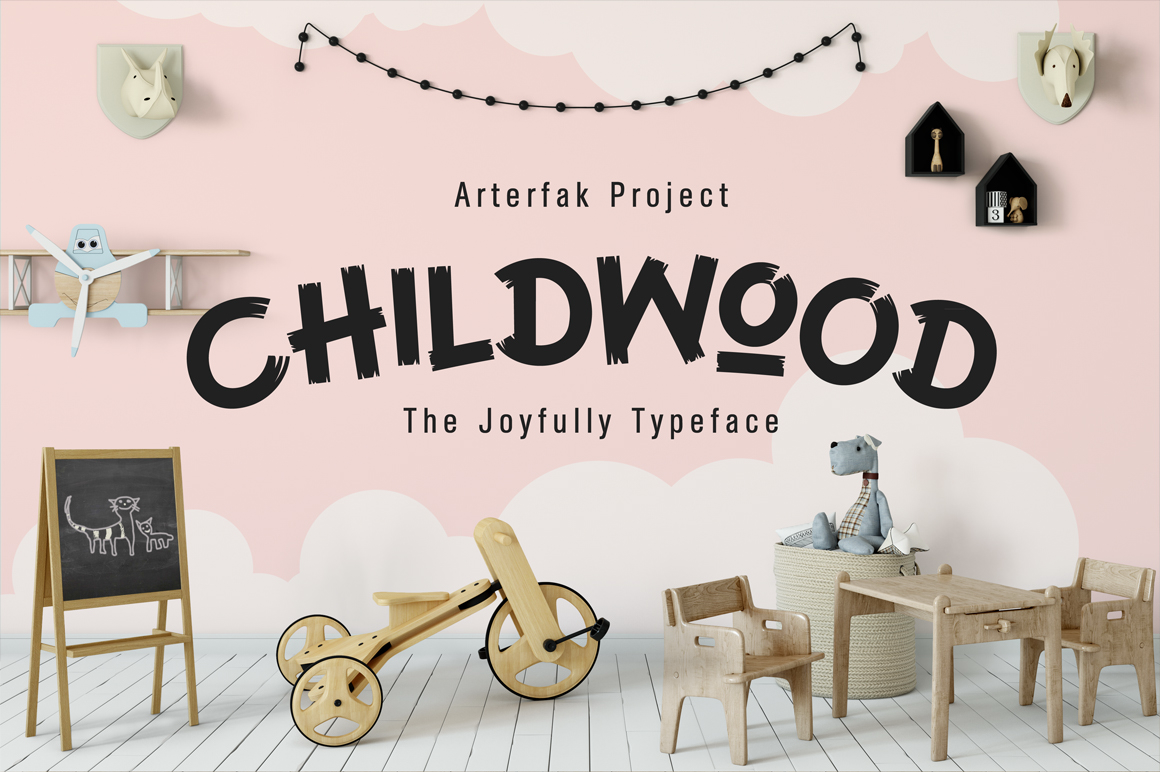
Childwood is a unique typeface that captures the playful spirit of childhood. Designed with a handcrafted, textured look, it brings a sense of warmth and creativity to any project. The font also comes in a clean version, making it adaptable for different design needs. Whether you're working on a children's book, a marketing campaign, or a personal project, Childwood offers something special.
What makes Childwood stand out is its ability to blend simplicity with character. Its rounded shapes and slightly irregular edges give it a friendly, approachable feel. This makes it ideal for anything related to kids, but its versatility extends beyond that. The font works well in both digital and print formats, offering flexibility for a wide range of applications.
Why Different Audiences Care About Childwood
For parents and educators, Childwood can be a valuable tool when creating learning materials or classroom activities. Its playful appearance helps engage young learners, making educational content more enjoyable. For example, a teacher might use it to design flashcards or storybooks that capture a child’s attention.
Designers and artists may appreciate Childwood for its creative potential. The textured version adds a tactile quality that can enhance visual storytelling. A graphic designer working on a children's product packaging might choose Childwood to evoke a sense of nostalgia and innocence. Meanwhile, the clean version could be used for logos or headings where clarity is important.
Entrepreneurs and small business owners often look for fonts that reflect their brand’s personality. Childwood can help convey a friendly, approachable image. A boutique selling children's toys might use the font on their website or promotional materials to create a welcoming atmosphere. It can also work well for branding that targets families or youth-oriented products.
For hobbyists and DIY enthusiasts, Childwood offers a way to add a personal touch to handmade projects. Whether it's a custom greeting card, a scrapbook, or a home decor item, the font’s charm can elevate the overall aesthetic. Its ease of use makes it accessible even for those who aren’t professional designers.
How Different Users Might Evaluate Childwood
Beginners may find Childwood appealing because of its simplicity and visual appeal. They might not need advanced typographic skills to use it effectively. However, they should consider how well it fits their specific project. For instance, a beginner creating a school project might use it to make their presentation more engaging.
Experienced users, on the other hand, may focus on the font’s technical qualities. They might assess how well it scales across different sizes and mediums. A professional designer could test the clean version for a logo to ensure it remains legible at various sizes. They might also compare it to other fonts to see if it meets their creative vision.
Business owners may weigh the cost and availability of Childwood. If it’s a commercial font, they’ll need to check licensing terms to ensure it’s suitable for their needs. A publisher looking to design a children’s book might evaluate whether the font aligns with their brand and audience expectations.
Consumers who are not directly involved in design may still benefit from understanding how fonts like Childwood influence their experience. A parent browsing a children’s book might notice the font and feel it adds to the book’s charm. Similarly, a customer seeing a logo with Childwood might associate it with a friendly, family-friendly brand.
Practical Examples for Different User Types
A teacher planning a classroom activity might use Childwood to create colorful worksheets that make learning fun. The font’s playful style can help keep students engaged and motivated. They might pair it with bright colors and simple illustrations to enhance the overall effect.
An independent artist designing a children’s book cover could use the textured version of Childwood to give the title a handcrafted feel. This could add depth and personality to the design, making it stand out on a shelf. They might experiment with different layouts to see how the font interacts with other elements.
A small business owner launching a new line of children’s clothing might use Childwood for their brand’s website and social media posts. The font’s friendly look can help communicate the brand’s values and attract a target audience. They might also use it on product tags or packaging to maintain a consistent visual identity.
A hobbyist creating a personalized gift might choose Childwood for a custom photo frame or a handmade card. The font’s charm can add a personal touch that makes the gift more meaningful. They might combine it with other decorative elements to create a cohesive design.
Considering Your Own Needs and Goals
When deciding whether Childwood is right for your project, think about what you’re trying to achieve. Are you looking for a font that feels warm and inviting? Does your audience respond better to a more traditional or a more whimsical style? These questions can help guide your choice.
If you’re working on a project that requires a lot of text, the clean version of Childwood might be more practical. It ensures readability without sacrificing style. For shorter phrases or titles, the textured version can add visual interest and character.
Ultimately, the best way to determine if Childwood suits your needs is to experiment with it. Try using it in different contexts and see how it looks. You might find that it works well for one project but not another. That’s okay—what matters is that you find a font that supports your goals and resonates with your audience.