Proxisol: A Modern Font for Professional and Creative Workflows
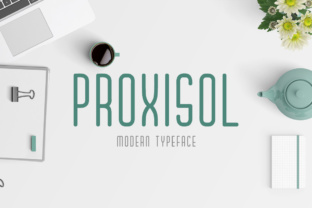
Proxisol is a geometric display font that blends modern aesthetics with readability, making it an ideal choice for branding, headlines, and visual communication. Its clean lines and structured design offer versatility across a range of projects, from corporate identities to creative campaigns. Whether you're working on a logo, a website header, or a marketing brochure, Proxisol provides a strong visual foundation that aligns with both professional and expressive goals.
As part of a broader design process, Proxisol can be integrated at various stages—whether during initial concept development, mid-project refinement, or final presentation. Its adaptability allows it to fit into different workflows, ensuring consistency and clarity in communication.
Understanding Proxisol in the Design Process
Proxisol is more than just a typeface; it's a tool that supports the planning and execution of visual strategies. In the early stages of a project, choosing the right font can set the tone for the entire design. Proxisol’s geometric structure offers a sense of order and precision, which can help establish a clear direction for branding or editorial work.
During the implementation phase, Proxisol’s balance between style and legibility ensures that text remains accessible even in complex layouts. This makes it suitable for use in both digital and print media, where clarity is essential. For example, when designing a website, using Proxisol for headings can draw attention without overwhelming the reader, enhancing user experience while maintaining visual harmony.
After a project is completed, Proxisol can still play a role in quality control and long-term brand consistency. By incorporating it into templates, style guides, and asset libraries, designers can ensure that all materials maintain a cohesive look over time.
Integrating Proxisol into Your Workflow
For professionals in fields such as graphic design, marketing, or content creation, Proxisol can be a valuable addition to their toolkit. Its compatibility with design software like Adobe Illustrator, Photoshop, and Figma makes it easy to incorporate into existing projects. Whether you’re working on a single headline or an entire brand identity, Proxisol supports efficient workflow by offering a reliable and consistent typeface option.
When integrating Proxisol into your process, consider how it interacts with other design elements. For instance, pairing it with a complementary sans-serif or serif font can create contrast and visual interest. This approach helps prevent monotony while maintaining a professional appearance.
Additionally, Proxisol’s neutral yet striking character makes it adaptable to different styles. It can be used in serious, formal contexts or in more playful, informal designs, depending on the intended message. This flexibility allows users to experiment with different visual directions without sacrificing clarity or impact.
Practical Use Cases for Proxisol
One common use case for Proxisol is in branding. As a display font, it works well for logos, taglines, and other prominent visual elements. Its geometric shape gives it a modern feel, which can appeal to audiences looking for innovation and professionalism. When used in conjunction with a minimalist color palette, Proxisol can reinforce a clean and sophisticated brand image.
In editorial design, Proxisol can serve as a headline font for articles, reports, or newsletters. Its readability ensures that readers can quickly grasp the main points, while its stylistic presence adds visual appeal. For example, in a magazine layout, using Proxisol for section titles can guide the reader through content while maintaining a cohesive aesthetic.
For digital marketers, Proxisol can enhance the visual hierarchy of landing pages, social media posts, and email campaigns. Its boldness helps capture attention, while its simplicity ensures that messages remain clear. When paired with strategic spacing and alignment, Proxisol can improve the overall effectiveness of a design.
Workflow Tips for Using Proxisol
To make the most of Proxisol, start by defining the purpose of your design. Are you creating a logo, a website, or a printed document? Understanding the context will help you determine how to best use the font. For example, if you're designing a logo, consider how Proxisol will appear in different sizes and formats—on a business card, a website, or a billboard.
Another tip is to test Proxisol in different environments. View it on screens of varying sizes and resolutions to ensure it remains legible. Also, check how it looks in both light and dark mode settings, especially if the design will be used across multiple platforms.
Consistency is key when using Proxisol. Create a style guide that outlines how the font should be applied in different scenarios. This includes specifying font sizes, weights, and spacing. Having a clear reference ensures that all team members or collaborators use the font correctly, maintaining a unified visual language.
Long-Term Benefits of Proxisol
Over time, Proxisol can become a trusted element in your design practice. Its reliability and adaptability mean that it can be used across multiple projects without losing its effectiveness. This consistency is particularly valuable for businesses that need to maintain a strong brand presence across various channels.
Moreover, Proxisol’s clean design reduces the risk of visual clutter, which can be a common issue in complex layouts. By keeping typography simple and focused, you allow other design elements to shine without competing for attention. This balance is essential for creating visually appealing and functional designs.
Finally, Proxisol’s ease of use makes it accessible to both experienced designers and newcomers. Its straightforward structure means that it can be implemented quickly, saving time and effort in the design process. Whether you're working on a solo project or collaborating with a team, Proxisol supports efficiency and clarity.